The world has been facing plenty of issues related to the supply chain and that has impacted the production of global chips too.
The conflict between Russia and Ukraine has been ongoing and so are the problems related to a shortage crisis where supply fails to meet the demand for semiconductors. These are an integral component of so many products related to the tech industry.
This is why a leading tech analyst recently spoke to CNBC for an interview, highlighting how the issues for global chip manufacturing are far from over. So many important elements are yet to make their way into countries due to strained supply relations.
So we can all expect that the supply of materials like semiconductors can’t magically increase. They are going to take time because the raw elements needed such as gases and more aren’t present. And by the time they are imported into countries, it’s going to take a while for supply to resume back to normal.
A lot of emphasis keeps on going back to the Russian and Ukrainian conflict because these nations hold such a huge part of today’s share in the market. Both countries are labeled to be the biggest exporters of a noble gas called krypton, whose use is unlimited and very important in today’s chip industry.
In addition to that, neon is another quintessential element to make chips and is vital for laser products as well. Hence, it wouldn’t be wrong to call this lithography process where tiny holes get embedded into silicon chips, near impossible without the supply resuming back to normal.
A number of companies make use of lithography in the tech industry like Samsung, TSMC, and even Intel.
Remember, there are a bunch of companies out there in Ukraine who are responsible for producing 50% of the world’s neon supply. And these facts are confirmed by top semiconductor analysts too.
In case you happen to be wondering where semiconductors are utilized, well, the answer is pretty simple. They can be found in all sorts of places and devices like computers, cellphones, and even automobiles. So that just goes to show their significance.
When there’s a shortage of raw materials, the prices also surge and that means the average costs related to tech devices just shoot up to new highs. And in turn, it’s the customer who has to suffer in the end.
As it is, top market analysts fear that rising costs of inflation with stringent monetary tightening have led to an intense slowdown in the economy. And people who once spent millions on IT are not willing to do the same, keeping in mind the economic uncertainty.
The sudden price hike has caused firms to secure their IT budgets with strongholds as you never know what the future holds.
It’s going to bite all of us out there but there is some hope that top governments with associated banks would try to bring a balance between current interest rates and the sudden price hikes.
So far, there is news that the Federal Reserve would soon be delivering a sharp rise in the rates of interest to try and combat inflation. This could be seen as early as this month or even could be delayed to September, depending on how conditions are laid out.
In places like Asia, governments have decided to slow down on the hiring process and instead focus on less spending to meet year-end targets. So many leading tech firms are feeling the pressure because there’s a clear gap between rising salary costs and those related to skills on offer.
Read next: The best business to start in 50 major US cities
by Dr. Hura Anwar via Digital Information World
"Mr Branding" is a blog based on RSS for everything related to website branding and website design, it collects its posts from many sites in order to facilitate the updating to the latest technology.
To suggest any source, please contact me: Taha.baba@consultant.com
Thursday, July 21, 2022
Wednesday, July 20, 2022
Apple Announces Big Changes For 2023 Including Slower Hiring And Reduced Team Spending
Tech giant Apple is making sure its plans for the year 2023 are in line with the current situation of economic slowdown and uncertainty around the globe.
The company revealed how it would be slowing down its hiring process while reducing its spending on selective teams as early as next year.
Thankfully, the firm says that not everyone is going to be affected by the decision. However, it boldly mentioned that there will be no more room for backfilling roles and hiring new personnel like we’ve seen the company do in the past.
The news was recently reported by Bloomberg which shared how the firm is just aligning itself with the current economic downturn taking place, after speaking to people hailing from the organization itself.
Apple’s insiders claim that the new decisions are a part of an overall plan and that the company has to be more careful with so much uncertainty taking place. They also stated that such decisions shouldn’t be viewed as a policy of the company.
Insiders from the tech firm who chose to remain anonymous delineated that there is no slowing down in terms of product launches, which the company plans to continue as competitively as ever. These were all a part of the recent deliberations being mentioned at a private conference at Apple.
One of the biggest product launches that many are anticipating from Apple is its mixed reality headset which has been speculated about since 2015. Hence, to hear it finally coming out is a relief for many in the tech world.
The information being released comes just a few moments before the tech giant puts its earnings for Q3 on display for the world. These will entail findings from April to June of this year.
In the previous quarter, we saw Apple reporting a mega $97 billion of revenue which was a huge increase of nearly 9% when looking at the previous year.
In the same way, we saw the company report a staggering profit worth $25 billion which many couldn’t help but applaud. And the icing on the cake had to do with all of Apple’s products showing exponential growth in sales, other than the iPad which was drastically affected due to issues in the supply chain.
Other common problems to have affected the organization included a series of external factors that hampered sales such as the ongoing conflict between Russia and Ukraine. And as you can imagine, that really caused a dent when Apple chose to put an end to all of its sales in Russia to stand in solidarity with Ukraine.
For now, it’s not quite clear how other external factors would be affecting the firm’s sales. Remember, Apple says it’s currently putting great focus on its VR and its AR products. But that doesn’t mean it’s not mindful of how things will work out in the near future.
Remember, the organization is still struggling to find its path as far as its car-based projects are concerned. But for now, it’s hoping for the best as it carries on with growth from other services like the latest series of iPhones.
Read next: Apple's iPhone 13 is doing better than ever, while the smartphone market sees a continuous fall
by Dr. Hura Anwar via Digital Information World

The company revealed how it would be slowing down its hiring process while reducing its spending on selective teams as early as next year.
Thankfully, the firm says that not everyone is going to be affected by the decision. However, it boldly mentioned that there will be no more room for backfilling roles and hiring new personnel like we’ve seen the company do in the past.
The news was recently reported by Bloomberg which shared how the firm is just aligning itself with the current economic downturn taking place, after speaking to people hailing from the organization itself.
Apple’s insiders claim that the new decisions are a part of an overall plan and that the company has to be more careful with so much uncertainty taking place. They also stated that such decisions shouldn’t be viewed as a policy of the company.
Insiders from the tech firm who chose to remain anonymous delineated that there is no slowing down in terms of product launches, which the company plans to continue as competitively as ever. These were all a part of the recent deliberations being mentioned at a private conference at Apple.
One of the biggest product launches that many are anticipating from Apple is its mixed reality headset which has been speculated about since 2015. Hence, to hear it finally coming out is a relief for many in the tech world.
The information being released comes just a few moments before the tech giant puts its earnings for Q3 on display for the world. These will entail findings from April to June of this year.
In the previous quarter, we saw Apple reporting a mega $97 billion of revenue which was a huge increase of nearly 9% when looking at the previous year.
In the same way, we saw the company report a staggering profit worth $25 billion which many couldn’t help but applaud. And the icing on the cake had to do with all of Apple’s products showing exponential growth in sales, other than the iPad which was drastically affected due to issues in the supply chain.
Other common problems to have affected the organization included a series of external factors that hampered sales such as the ongoing conflict between Russia and Ukraine. And as you can imagine, that really caused a dent when Apple chose to put an end to all of its sales in Russia to stand in solidarity with Ukraine.
For now, it’s not quite clear how other external factors would be affecting the firm’s sales. Remember, Apple says it’s currently putting great focus on its VR and its AR products. But that doesn’t mean it’s not mindful of how things will work out in the near future.
Remember, the organization is still struggling to find its path as far as its car-based projects are concerned. But for now, it’s hoping for the best as it carries on with growth from other services like the latest series of iPhones.
Read next: Apple's iPhone 13 is doing better than ever, while the smartphone market sees a continuous fall
by Dr. Hura Anwar via Digital Information World
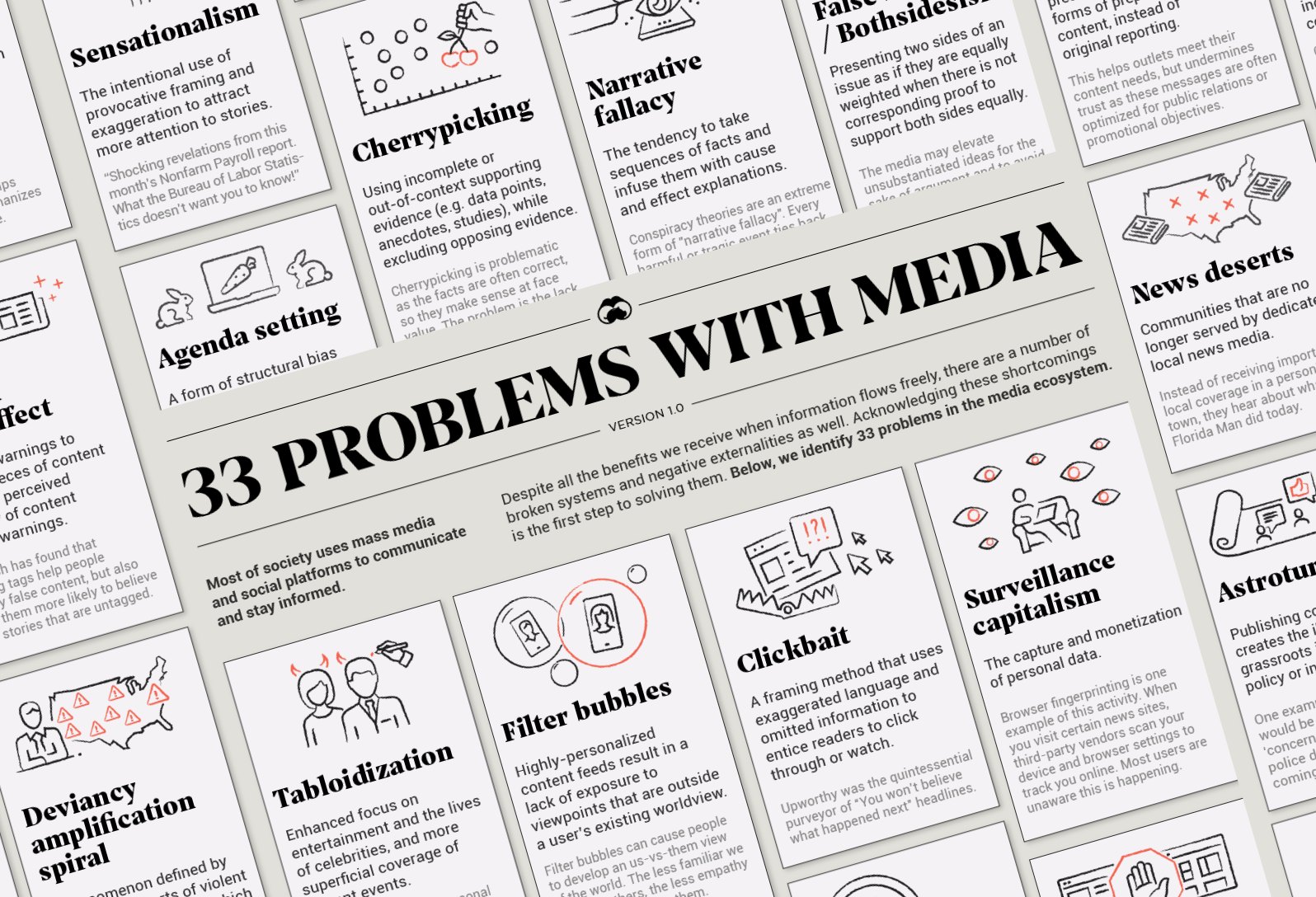
The Powerful Role Of Today’s Media: Positive Impacts Overshadowed By Dangerous Practices
When we talk about living in a world of democracy, the first that comes to our mind is freedom and the power to speak our minds and express our thoughts. And that’s exactly where a healthy media system steps in.
In the past, we saw a number of media outlets arise in the form of cable television and the good old newspapers. Today, however, the advent of technology has brought forward a new version of the media that gains assistance from the internet and leading social media platforms.
It’s almost as if we’re dealing with a much bigger scope and potential to expand to new heights where communication can reach the world faster and quicker. Today, journalism is much more than what it used to be in the past.
We’re seeing it play a crucial role in society too, where the best quality stems from great transparency that manages to keep so many others in check. And it’s these types of forces that can make a change in society too.
We’re bombarded with reporters giving us news that is happening live in various parts of the world. Some are risking their lives by making sure viewers stay informed about what conflict is taking place and when. It’s a scary ordeal but one that does benefit the ecosystem.
However, with the positive does come some negative. We often forget the harsh reality of the media and how powerful of a role it has in affecting so many lives. This compounded with interferences of various kinds gives rise to a multitude of problems and we’re going to discuss the biggest ones for you below.
For starters, it’s important to realize that the media is strongly influenced by bias and these arise as two kinds. Explicit bias is when publishers are completely in charge of what kinds of stories end up getting printed and how they’re framed.
These are supported by a political agenda or perhaps some sort of ideology. You have a narrative or a false script that gets published to fulfill some sort of agenda.
On the other hand, another common issue is related to implicit bias. This has to do with filtering taking place that’s unintentional. The data seen is skewed and shows up in various formats. For instance, a particular story fails to address the main concerns related to a certain matter as that could harm the advertisers involved.
These areas that are difficult to cover include no-fly zones and with each passing day, they’re becoming more and more difficult to deal with, not to mention treacherous territory.
Secondly, in case you didn’t know, social platforms struggle a lot with misinformation and disinformation but what’s the difference?
We know that both the terms are related to false information but the former occurs unintentionally while the latter is done with a deliberate purpose. This is also where you say hello to fake news.
Thirdly, the media of today is struggling with context stripping. One event takes place and it’s closely followed by long lines of discussion without any focus on the context. And these stories are the ones winning in the end because they go viral by capturing attention. But what’s interesting is that real facts are ignored and only those cherry-picked by journalists are given value, leaving many in the dark.
Lastly, the media world is dealing with a squeeze as budgets get limited and teams remain small. The end result is poorly crafted stories through the digital web and PR releases. It’s almost like a poor substitute for better reporting forms and you get poor quality content year-round. Let’s not forget the issues of ad clutter disrupting content on the web.
The issues are plenty but step one to solving them is identifying the loopholes and then speaking on the matter. After all, being literate can pave way for reforms.
H/T: VC
Read next: Study From The Pew Research Center Reveals That 55% Of Journalists Prefer Objectivity Over Subjectivity
by Dr. Hura Anwar via Digital Information World
In the past, we saw a number of media outlets arise in the form of cable television and the good old newspapers. Today, however, the advent of technology has brought forward a new version of the media that gains assistance from the internet and leading social media platforms.
It’s almost as if we’re dealing with a much bigger scope and potential to expand to new heights where communication can reach the world faster and quicker. Today, journalism is much more than what it used to be in the past.
We’re seeing it play a crucial role in society too, where the best quality stems from great transparency that manages to keep so many others in check. And it’s these types of forces that can make a change in society too.
We’re bombarded with reporters giving us news that is happening live in various parts of the world. Some are risking their lives by making sure viewers stay informed about what conflict is taking place and when. It’s a scary ordeal but one that does benefit the ecosystem.
However, with the positive does come some negative. We often forget the harsh reality of the media and how powerful of a role it has in affecting so many lives. This compounded with interferences of various kinds gives rise to a multitude of problems and we’re going to discuss the biggest ones for you below.
For starters, it’s important to realize that the media is strongly influenced by bias and these arise as two kinds. Explicit bias is when publishers are completely in charge of what kinds of stories end up getting printed and how they’re framed.
These are supported by a political agenda or perhaps some sort of ideology. You have a narrative or a false script that gets published to fulfill some sort of agenda.
On the other hand, another common issue is related to implicit bias. This has to do with filtering taking place that’s unintentional. The data seen is skewed and shows up in various formats. For instance, a particular story fails to address the main concerns related to a certain matter as that could harm the advertisers involved.
These areas that are difficult to cover include no-fly zones and with each passing day, they’re becoming more and more difficult to deal with, not to mention treacherous territory.
Secondly, in case you didn’t know, social platforms struggle a lot with misinformation and disinformation but what’s the difference?
We know that both the terms are related to false information but the former occurs unintentionally while the latter is done with a deliberate purpose. This is also where you say hello to fake news.
Thirdly, the media of today is struggling with context stripping. One event takes place and it’s closely followed by long lines of discussion without any focus on the context. And these stories are the ones winning in the end because they go viral by capturing attention. But what’s interesting is that real facts are ignored and only those cherry-picked by journalists are given value, leaving many in the dark.
Lastly, the media world is dealing with a squeeze as budgets get limited and teams remain small. The end result is poorly crafted stories through the digital web and PR releases. It’s almost like a poor substitute for better reporting forms and you get poor quality content year-round. Let’s not forget the issues of ad clutter disrupting content on the web.
The issues are plenty but step one to solving them is identifying the loopholes and then speaking on the matter. After all, being literate can pave way for reforms.
H/T: VC
Read next: Study From The Pew Research Center Reveals That 55% Of Journalists Prefer Objectivity Over Subjectivity
by Dr. Hura Anwar via Digital Information World
Tuesday, July 19, 2022
US Agencies Are Getting Easy Access To Users’ Personal Information Online
By now, we’re sure you’re well aware of the fact that so many leading tech organizations are selling personal information belonging to users online.
From location history to even their device activity, a number of leading agencies across the US are involved in the act of buying data, as recently confirmed by the ACLU.
But who exactly are the buyers is a question on many people’s minds. Well, the answer is government officials, data brokers, law enforcement agencies, and even some advertisers.
While it’s quite clear that state-owned institutions can gain access to such data easily through their own channels, the ACLU recently highlighted a number of documents publicly which prove how swiftly the action is being done on a routine basis.
This compounded by a lack of surveillance on where such data is being used and a failure to outline who the most vulnerable victims are can further aggravate the problem.
The ACLU has called this behavior a complete violation of the country’s Fourth Amendment while calling out regulatory bodies to take notice and action on such engagements.
But new reports show how many officials from the US continue to justify their behaviors. And that is why the ACLU feels the time has come to adopt change.
This is why they’re calling out for new laws and policies that close the gap between agencies getting a hold of users’ private data with this much ease.
Recently, a total of 6000 unreleased records were evaluated by the courts after the ACLU put forward a case where a number of stats opened up so many people’s minds regarding the number of data that was being handled by the country’s Customs and Border Control. This included immigration agencies and the country’s Homeland Department too.
The shocking documents put into perspective the number of funds utilized from these respective agencies to get nearly 340,000 smartphone-based data involving users’ location points.
A report by the Wall Street Journal highlighted how the data had been used to determine and locate which citizens failed to pay their taxes while also delineating immigrants living freely in the nation without any documents.
A lot of the data dates back to the last four years and one particular data broker being highlighted was Venntel who not only collected such data but also sold them off on a daily basis by scraping them from social media apps. In return, they received the best-targeted campaigns for ads.
Interestingly, there is no law that forbids any law enforcement or government agency in the country from making such purchases.
Another striking point to take notice of is that although data doesn’t specify details like the name or the IDs of various devices, authorities can go about linking them to data taken from leading public sources or even profiles.
This is why the ACLU is pushing for a new clause in the Fourth Amendment that prevents the further selling off of user data by the government including any purchases being made by them in this regard.
In cases where it is considered to be absolutely necessary, well, then they can request permission from the court and work with data brokers. You can well think of it like cops having the permission to get a hold of a suspect’s address with an arrest warrant by their side.
But authorities are not willing to let the case go without putting forward an intense argument. They say that all data is being shared by users through voluntary means.
Remember, very few people with smartphone devices go the extra mile to determine what’s written in their terms of service for different apps. And that just makes the matter a huge concern for lawmakers.
Read next: New Survey Reveals That Parents Are Concerned About Children Interacting With Technology, But Are Not Blind To Its Benefits
by Dr. Hura Anwar via Digital Information World
From location history to even their device activity, a number of leading agencies across the US are involved in the act of buying data, as recently confirmed by the ACLU.
But who exactly are the buyers is a question on many people’s minds. Well, the answer is government officials, data brokers, law enforcement agencies, and even some advertisers.
While it’s quite clear that state-owned institutions can gain access to such data easily through their own channels, the ACLU recently highlighted a number of documents publicly which prove how swiftly the action is being done on a routine basis.
This compounded by a lack of surveillance on where such data is being used and a failure to outline who the most vulnerable victims are can further aggravate the problem.
The ACLU has called this behavior a complete violation of the country’s Fourth Amendment while calling out regulatory bodies to take notice and action on such engagements.
But new reports show how many officials from the US continue to justify their behaviors. And that is why the ACLU feels the time has come to adopt change.
This is why they’re calling out for new laws and policies that close the gap between agencies getting a hold of users’ private data with this much ease.
Recently, a total of 6000 unreleased records were evaluated by the courts after the ACLU put forward a case where a number of stats opened up so many people’s minds regarding the number of data that was being handled by the country’s Customs and Border Control. This included immigration agencies and the country’s Homeland Department too.
The shocking documents put into perspective the number of funds utilized from these respective agencies to get nearly 340,000 smartphone-based data involving users’ location points.
A report by the Wall Street Journal highlighted how the data had been used to determine and locate which citizens failed to pay their taxes while also delineating immigrants living freely in the nation without any documents.
A lot of the data dates back to the last four years and one particular data broker being highlighted was Venntel who not only collected such data but also sold them off on a daily basis by scraping them from social media apps. In return, they received the best-targeted campaigns for ads.
Interestingly, there is no law that forbids any law enforcement or government agency in the country from making such purchases.
Another striking point to take notice of is that although data doesn’t specify details like the name or the IDs of various devices, authorities can go about linking them to data taken from leading public sources or even profiles.
This is why the ACLU is pushing for a new clause in the Fourth Amendment that prevents the further selling off of user data by the government including any purchases being made by them in this regard.
In cases where it is considered to be absolutely necessary, well, then they can request permission from the court and work with data brokers. You can well think of it like cops having the permission to get a hold of a suspect’s address with an arrest warrant by their side.
But authorities are not willing to let the case go without putting forward an intense argument. They say that all data is being shared by users through voluntary means.
Remember, very few people with smartphone devices go the extra mile to determine what’s written in their terms of service for different apps. And that just makes the matter a huge concern for lawmakers.
Read next: New Survey Reveals That Parents Are Concerned About Children Interacting With Technology, But Are Not Blind To Its Benefits
by Dr. Hura Anwar via Digital Information World
New Survey Reveals That Parents Are Concerned About Children Interacting With Technology, But Are Not Blind To Its Benefits
PCMag conducted a survey, asking parents about how much technology their children use, and to what effect said tech exposure is utilized.
I’m sure our readers are familiar with my endless tirades against older generations. Much of it derives from how baby boomers refuse to connect with the youth while smugly judging their economic ruin. Yes, we get it, you worked so hard in an environment where college tuition could be covered by two part-time jobs, good on you. Then again, almost no generation refuses to connect with their successors; we’re witnessing it right now with millennials decrying TikTok (my dudes, TikTok’s just Vine with extra teenage dancing).
All of this I state to make a simple statement: I do sympathize with parents nowadays. Not only do they have to deal with a generational gap that seemingly keeps widening with every new iteration, but they have to coach children through the technological age. It’s really difficult (read: nigh impossible) to shield children nowadays from the endless onslaught of data that is on the internet. Toxicity, hatred, and misanthropy bleed into every online crevice, and no I don’t think that’s being too dramatic.
PC Mag’s research attempted to gauge just how well children seem to be utilizing the internet under the guidance of parents: are they learning from the source, or is it just saccharine fast food? Well, parents seem to largely categorize their children as drawing from the latter. Of the 1,079 US parents that responded to the survey, a total of 66% of parents expressed concerns ranging from mild to severe. In contrast, 21% took a neutral stance, and only 13% of parents were relatively or completely unconcerned.
However, the hard stances that our elders took toward technology seem to have softened, albeit grudgingly. While 28% of the sample population strongly agrees that a child under 12 years of age should not have smartphone access, 38% also agree that technology helps prepare children for their future. Only 8% seemed to disagree with that last statement on any level.
Of the screen time that children were exposed to, 82% of parents stated that their kids watched YouTube. 67% noted their children playing video games, 35% of the youth spent their time interacting with digital assistants, and 24% created and published online content. That leaves 8% of the population, from which 3% did absolutely nothing, and 5% invested their time elsewhere. On the bright side, parents do seem to believe that their kids have picked up some useful skills. Typing skills and computer literacy were learned by 64% of the children respectively. 25% even learned coding and programming, which is such a boost in today’s tech-oriented world.
Read next: Meta Launches New Parental Guide To Help Discuss Issues Like Sexting And Its Risks With Teens
by Arooj Ahmed via Digital Information World
I’m sure our readers are familiar with my endless tirades against older generations. Much of it derives from how baby boomers refuse to connect with the youth while smugly judging their economic ruin. Yes, we get it, you worked so hard in an environment where college tuition could be covered by two part-time jobs, good on you. Then again, almost no generation refuses to connect with their successors; we’re witnessing it right now with millennials decrying TikTok (my dudes, TikTok’s just Vine with extra teenage dancing).
All of this I state to make a simple statement: I do sympathize with parents nowadays. Not only do they have to deal with a generational gap that seemingly keeps widening with every new iteration, but they have to coach children through the technological age. It’s really difficult (read: nigh impossible) to shield children nowadays from the endless onslaught of data that is on the internet. Toxicity, hatred, and misanthropy bleed into every online crevice, and no I don’t think that’s being too dramatic.
PC Mag’s research attempted to gauge just how well children seem to be utilizing the internet under the guidance of parents: are they learning from the source, or is it just saccharine fast food? Well, parents seem to largely categorize their children as drawing from the latter. Of the 1,079 US parents that responded to the survey, a total of 66% of parents expressed concerns ranging from mild to severe. In contrast, 21% took a neutral stance, and only 13% of parents were relatively or completely unconcerned.
However, the hard stances that our elders took toward technology seem to have softened, albeit grudgingly. While 28% of the sample population strongly agrees that a child under 12 years of age should not have smartphone access, 38% also agree that technology helps prepare children for their future. Only 8% seemed to disagree with that last statement on any level.
Of the screen time that children were exposed to, 82% of parents stated that their kids watched YouTube. 67% noted their children playing video games, 35% of the youth spent their time interacting with digital assistants, and 24% created and published online content. That leaves 8% of the population, from which 3% did absolutely nothing, and 5% invested their time elsewhere. On the bright side, parents do seem to believe that their kids have picked up some useful skills. Typing skills and computer literacy were learned by 64% of the children respectively. 25% even learned coding and programming, which is such a boost in today’s tech-oriented world.
Read next: Meta Launches New Parental Guide To Help Discuss Issues Like Sexting And Its Risks With Teens
by Arooj Ahmed via Digital Information World
New Study Proves Most People Lie About Their Tech Proficiency At Work
If you happen to feel a little guilty about not telling your employer and fellow colleagues at the workplace about how little you know about technology, well, you’re not the only one.
A new study is shedding light on how most people fail to give out the correct details regarding their tech proficiency when they’re at the workplace.
Commonly, employees aren’t too great at using Excel and hence struggle with the working mechanisms involved. But they’re scared that since the skill is very basic, not knowing how to go about the situation can really be an embarrassment for them.
But you no longer need to feel bad for two very good reasons. Firstly, you are definitely not the only one lying. Secondly, there are so many others who struggle with being proficient in technology so it’s a common problem.
We’ve got new figures thanks to OSlash who confirmed the news with their recent research. The firm revealed how the entire purpose was to take into account how fellow co-workers end up taking help from others in regards to tech assistance.
Almost half of the people surveyed admitted that they relied or depended on their colleagues to get a certain task done because they required further tech assistance. Meanwhile, it was interesting to see how around 50% of such co-workers turned to their fellow employees at least once in the entire day to get help for a task.
Moreover, one in every five employees confirmed how they are the ones approaching their colleagues for technical help. But exactly do these people need help was a question in many readers’ minds. And the study managed to solve that mystery too.
On average, most people struggled with issues related to software malfunctioning and hardware problems. Others couldn’t operate important office devices like scanners and printers. There were also a few that delineated issues related to computer screens freezing and having problems with computer files.
The study by OSlash also proved how there seems to be a very clear generational divide in terms of who are the askers and who are the responders to such issues. Interestingly, the majority of the generations that had issues and required help included those from Gen X and the Baby Boomers.
Meanwhile, those from Generation Z explained how assisting fellow colleagues to look for files results in a wastage of time surmounting to nearly eight hours in the entire week.
There are definitely occasions to the norm. Obviously, on some days, new advancements in software and technology are introduced at the workplace and that just confuses everyone entirely.
Some workers even went on to speak about how employers made leading mistakes when rolling out technical advancements. These arose in the form of poor training, lack of support, or even sending out new technical updates a tad bit too often for employees to handle.
This compounded with poor environments to work in can really affect the firm’s productivity, the study adds.
While most workers would enjoy having a number of different types of learning chances, others highlighted the significance of taking part in weekly training sessions. It’s also a great practice to conduct evaluations on a routine basis to see where employees stand while others would love to have guest speakers arrive for training.
Read next: Study From The Pew Research Center Reveals That 55% Of Journalists Prefer Objectivity Over Subjectivity
by Dr. Hura Anwar via Digital Information World
A new study is shedding light on how most people fail to give out the correct details regarding their tech proficiency when they’re at the workplace.
Commonly, employees aren’t too great at using Excel and hence struggle with the working mechanisms involved. But they’re scared that since the skill is very basic, not knowing how to go about the situation can really be an embarrassment for them.
But you no longer need to feel bad for two very good reasons. Firstly, you are definitely not the only one lying. Secondly, there are so many others who struggle with being proficient in technology so it’s a common problem.
We’ve got new figures thanks to OSlash who confirmed the news with their recent research. The firm revealed how the entire purpose was to take into account how fellow co-workers end up taking help from others in regards to tech assistance.
Almost half of the people surveyed admitted that they relied or depended on their colleagues to get a certain task done because they required further tech assistance. Meanwhile, it was interesting to see how around 50% of such co-workers turned to their fellow employees at least once in the entire day to get help for a task.
Moreover, one in every five employees confirmed how they are the ones approaching their colleagues for technical help. But exactly do these people need help was a question in many readers’ minds. And the study managed to solve that mystery too.
On average, most people struggled with issues related to software malfunctioning and hardware problems. Others couldn’t operate important office devices like scanners and printers. There were also a few that delineated issues related to computer screens freezing and having problems with computer files.
The study by OSlash also proved how there seems to be a very clear generational divide in terms of who are the askers and who are the responders to such issues. Interestingly, the majority of the generations that had issues and required help included those from Gen X and the Baby Boomers.
Meanwhile, those from Generation Z explained how assisting fellow colleagues to look for files results in a wastage of time surmounting to nearly eight hours in the entire week.
There are definitely occasions to the norm. Obviously, on some days, new advancements in software and technology are introduced at the workplace and that just confuses everyone entirely.
Some workers even went on to speak about how employers made leading mistakes when rolling out technical advancements. These arose in the form of poor training, lack of support, or even sending out new technical updates a tad bit too often for employees to handle.
This compounded with poor environments to work in can really affect the firm’s productivity, the study adds.
While most workers would enjoy having a number of different types of learning chances, others highlighted the significance of taking part in weekly training sessions. It’s also a great practice to conduct evaluations on a routine basis to see where employees stand while others would love to have guest speakers arrive for training.
Read next: Study From The Pew Research Center Reveals That 55% Of Journalists Prefer Objectivity Over Subjectivity
by Dr. Hura Anwar via Digital Information World
The best business to start in 50 major US cities
Making money isn't that hard, as long as you understand how it works. People will happily spend what's in their pocket if they need or want something. The trick is to be the only person who can sell it to them.
Finding these little gaps in the market is a major advantage when starting a new venture. But market research is an expensive and time-consuming process. Thankfully, we found a little cheat code for aspiring business owners.
It comes from the research and design team at ZenBusiness. Using Google search data and recent statistics from the U.S. Census Bureau, they figured out what businesses are most in-demand across 50 of the USA's biggest cities. And they put the findings into the following maps and tables highlighting the best businesses to start.
If the market is saturated with companies offering services similar to yours, you'll have a tough time attracting customers or turning a profit.
The best businesses offer something new or something that people can't get anywhere else.
"The ultimate test of entrepreneurship is building something that is one of a kind,” says PayPal founder Peter Thiel. "Instead of worrying about competing, focus on minimising your competition. Make yourself one of the only choices for customers."
Fort Worth is one of the best cities to set up a new gym. Google search data shows that the demand-to-supply ratio for gyms in the Texan city is 20 times greater than many other major US cities.
The COVID-19 lockdowns are a big factor in driving demand for new gyms. After spending almost two years living under some kind of restrictions, many people are looking to make up for all that lost time by getting active again. For others, the pandemic forced them to reassess their lifestyle and health choices.
The general push toward more self-care has inspired people to get fit and stay fit. Many of these 'newbies' feel self-conscious or nervous about walking into a gym for the first time. And some simply want a no-frills gym with a reasonable monthly membership rate. This has led to a massive demand for budget-friendly gyms and fitness clubs with classes that cater exclusively to beginners.
They came out on top in 14 cities, including Seattle, Milwaukee, and Denver. And car washes were the most searched for new business in Albuquerque, New Mexico. Fans of the hit show Breaking Bad will remember that Albuquerque was the location of Walter White's car (and drug money) washing operation.
The car wash is one of the fastest-growing small businesses in the USA. Currently worth around $14 billion, the car wash market is expected to grow by 5% over the next few years.
Busy schedules and time constraints mean most people would rather pay a few dollars than spend an hour scrubbing their own vehicles. More vehicles per household, environmental regulations prohibiting residential car washing, and demand for budget, fast-wash services are also major growth drivers.
And there are some nice profits up for grabs. According to research from the U.S. Bureau of Labor Statistics, small-scale, self-service car washes average over $40,000 per year in profit; larger luxury car washes can net owners more than $500,000 per year.
There are around 4,500 restaurants in Las Vegas. But the people want more. Or, to be more precise, they want more of a very particular type of restaurant. Residents and tourists in Sin City searched for Indian restaurants 1,009 times per local restaurant per month; that's the biggest supply/demand disparity in any major city across the USA.
The folks living in Phoenix, Memphis, and Mesa want more steakhouses. Diners in Omaha are desperate for a good breakfast and brunch place, while those in Chicago and Arlington are hungry for soul food.
There's money to be made in Bakersfield, California, if you're willing to satisfy the city's sweet-tooth craving for creperies.
There are nowhere near enough German restaurants in Louisville, Kentucky, according to the number of new local business searches. It might sound odd at first. However, over 35% of Louisville's population claims German ancestry.
The city has a German Heritage Society, and the city library is full of books written in German. Louisville holds a mini-version of Oktoberfest every year. The two-day festival includes beer, music, more beer, hundreds of stalls selling traditional German food, and then a bit more beer.
The principles of supply and demand are central to any new business. Finding an untapped market won't guarantee big profits, but it will definitely put any new venture in the best position to succeed.
by Web Desk via Digital Information World
Finding these little gaps in the market is a major advantage when starting a new venture. But market research is an expensive and time-consuming process. Thankfully, we found a little cheat code for aspiring business owners.
It comes from the research and design team at ZenBusiness. Using Google search data and recent statistics from the U.S. Census Bureau, they figured out what businesses are most in-demand across 50 of the USA's biggest cities. And they put the findings into the following maps and tables highlighting the best businesses to start.
The laws of supply and demand
The first thing you need to start a new business is an idea. Then you need some start-up capital and a serious work ethic. But all this will be pretty useless if you can't find anyone who wants what you're offering.If the market is saturated with companies offering services similar to yours, you'll have a tough time attracting customers or turning a profit.
The best businesses offer something new or something that people can't get anywhere else.
"The ultimate test of entrepreneurship is building something that is one of a kind,” says PayPal founder Peter Thiel. "Instead of worrying about competing, focus on minimising your competition. Make yourself one of the only choices for customers."
The best business to start in the USA
Gyms are the most in-demand new business in major American cities, according to the survey from ZenBusiness. It was the most-searched-for new enterprise in 15 of the USA's biggest cities, including New York, Washington, Los Angeles, San Diego, and Fort Worth.Fort Worth is one of the best cities to set up a new gym. Google search data shows that the demand-to-supply ratio for gyms in the Texan city is 20 times greater than many other major US cities.
The COVID-19 lockdowns are a big factor in driving demand for new gyms. After spending almost two years living under some kind of restrictions, many people are looking to make up for all that lost time by getting active again. For others, the pandemic forced them to reassess their lifestyle and health choices.
The general push toward more self-care has inspired people to get fit and stay fit. Many of these 'newbies' feel self-conscious or nervous about walking into a gym for the first time. And some simply want a no-frills gym with a reasonable monthly membership rate. This has led to a massive demand for budget-friendly gyms and fitness clubs with classes that cater exclusively to beginners.
The most in-demand industries across American cities
With over 600,000 new business searches, car washes are the second most in-demand business in 50 of the USA's biggest cities.They came out on top in 14 cities, including Seattle, Milwaukee, and Denver. And car washes were the most searched for new business in Albuquerque, New Mexico. Fans of the hit show Breaking Bad will remember that Albuquerque was the location of Walter White's car (and drug money) washing operation.
The car wash is one of the fastest-growing small businesses in the USA. Currently worth around $14 billion, the car wash market is expected to grow by 5% over the next few years.
Busy schedules and time constraints mean most people would rather pay a few dollars than spend an hour scrubbing their own vehicles. More vehicles per household, environmental regulations prohibiting residential car washing, and demand for budget, fast-wash services are also major growth drivers.
Anyone can start a carwash business
The car wash industry is one of the very few where small businesses dominate. The majority of car washes in the USA are independently owned businesses, and no major US car wash company has more than a 5% market share. The car wash industry is a truly free market where anyone can compete, and those providing the best service rise to the top.And there are some nice profits up for grabs. According to research from the U.S. Bureau of Labor Statistics, small-scale, self-service car washes average over $40,000 per year in profit; larger luxury car washes can net owners more than $500,000 per year.
Feeding the people
Restaurants and catering businesses feature heavily in this study from ZenBusiness. Added together, they're the most searched for new business in 17 cities. That signals more demand than gyms and car washes. However, the researchers from ZenBusiness decided to see what kind of restaurants and food people want.There are around 4,500 restaurants in Las Vegas. But the people want more. Or, to be more precise, they want more of a very particular type of restaurant. Residents and tourists in Sin City searched for Indian restaurants 1,009 times per local restaurant per month; that's the biggest supply/demand disparity in any major city across the USA.
The folks living in Phoenix, Memphis, and Mesa want more steakhouses. Diners in Omaha are desperate for a good breakfast and brunch place, while those in Chicago and Arlington are hungry for soul food.
There's money to be made in Bakersfield, California, if you're willing to satisfy the city's sweet-tooth craving for creperies.
There are nowhere near enough German restaurants in Louisville, Kentucky, according to the number of new local business searches. It might sound odd at first. However, over 35% of Louisville's population claims German ancestry.
The city has a German Heritage Society, and the city library is full of books written in German. Louisville holds a mini-version of Oktoberfest every year. The two-day festival includes beer, music, more beer, hundreds of stalls selling traditional German food, and then a bit more beer.
The principles of supply and demand are central to any new business. Finding an untapped market won't guarantee big profits, but it will definitely put any new venture in the best position to succeed.
by Web Desk via Digital Information World
Subscribe to:
Comments (Atom)


