AI systems have really revolutionized the tech world in so many ways.
We hear how most jobs are relying so heavily on this technology. They feel things can get done quicker and with greater ease. But wait, that does not mean you are not going to be bogged down by a great many drawbacks linked to its use.
A new study has left the world stunned for obvious reasons related to how AI might be giving your boss or manager another chance to dump the blame on you for any errors.
The research highlights how AI software is really designed to make routines simpler but the machine can really screw up on so many occasions and the blames gets shifted sadly on the user, without bosses giving it a second thought.
This is another reason why there are so many ethical issues linked to AI that continue to leave people divided in the whole business community. Close to 32% of bosses who are the ones that make the final admit to placing blame directly on employees who operate this tool. After all, it’s a machine and it can default at any given point in time.
The study also highlighted how only 26% of individuals claimed they would place direct blame on both the worker and the AI software equally, with a smaller chunk of the blame also being allocated to managers.
The research comes to us thanks to experts at TechCo who clearly admits that AI was never designed to figure out the thinking related to lousy bosses.
Today, so many CEOs of top firms continue to express hesitation in terms of using AI at their workplace. Nearly 70% even stressed in detail how their workers should refrain from its use and if they do choose to do so, they must seek permission first from the managers they’re working under.
The news comes at a time when we’re seeing so many regions including the EU, US, as well as the United Nations, join hands with companies like Microsoft to devise the right policy for its effective use. This was a long time, considering the great popularity of the OpenAI ChatGPT tool.
Today, the world’s governments are literally scrambling as they try to include the right framework to ensure the responsible and useful function of AI. They realize that AI is bringing forward some major gains for the business sector too but until and unless they don’t realize the great dangers attached, it can never be used at its best ability.
The novelty of uses is also increasing but again, questions continue to arise related to the privacy and transparency of workers.
So at the end of the day, there’s a long list of ethical-based queries that we must ask ourselves, the study adds. Does AI software require immediate attention including how to use it appropriately for research and also how to ensure the right maintenance of systems in use today?
Read next: Brands Must Balance AI With Ethics, Here’s How
by Dr. Hura Anwar via Digital Information World
"Mr Branding" is a blog based on RSS for everything related to website branding and website design, it collects its posts from many sites in order to facilitate the updating to the latest technology.
To suggest any source, please contact me: Taha.baba@consultant.com
Tuesday, August 1, 2023
Monday, July 31, 2023
Google Claims Patch Gap in Android Models Increases The Risk of n-days Vulnerabilities To The Same Level As Zero-days
Zero-day attack or vulnerability is a flaw, a gap in security where an operating system or application is rendered defenseless in opposition to exploitation attacks before a vendor knows about it and finds a way to patch it. N-day vulnerability is a software flaw with or without a patch, but the public knows about it.
It goes like this: a bug identified in Android before Google is called a zero-day vulnerability. But when Google finds out, it’s called an n-day vulnerability, with n being the number of days that have passed since the vulnerability became public knowledge.
Google has released its yearly 0-day vulnerability report, which includes data on real-world exploitation occurrences in 2022. The report emphasizes and brings attention to a persistent issue within the Android platform, highlighting the significance and utilization of disclosed vulnerabilities for long durations.
To be exact, Google’s summary emphasizes the concern of n-days in Android to be acting as equivalent to zero-days for cyber attackers. The issue arises from the intricate nature of Android’s environment, which encompasses many phases between the upstream vendor and downstream manufacturers. This complexity leads to notable variations in delays for security updates across device models, brief support time, confusion over responsibilities, and several other issues.
Google alerted that hackers might use of n-days to exploit devices without any patch by using familiar techniques or programming one themselves, even if Google or another vendor makes a patch available. This issue stems from patch gaps as vendors devise a way to combat the bug, but the manufacturers take weeks to months to release them in Android security updates.
Google’s report claims that the discrepancies between vendors and manufacturers are why publicly known vulnerabilities like n-days behave and operate as zero-days, as not a single patch is accessible or rolled out to users. They further state that users can protect their data by not using their phones in such situations. Such gaps are more evident for prolonged periods in Android devices compared to other vendor and manufacturer interactions.
A vulnerability called CVE-2022-38181 severely impacted Android back in 2022 in the ARM Mali GPU. The Android Security team was alerted about the flaw in July of that year after ARM regarded it as unfixable in October 2022. However, they included it in the security update for Android in April 2023.
The bad news is that a month after the release of the fix update, cyberattackers actively exploited the flaw.
The exploitation was uncontrollable and carried on until April 2023, when the Android security update finally released its fix, a significant time after ARM first raised concerns about it.
In December 2022, two more flaws (CVE-2022-3038 and CVE-2022-22706) were under exploitation, resulting from a series of attacks on Samsung devices containing spyware. In May 2023, Samsung announced the security update for CVE-2022-22706. The ARM fix for CVE-2022-3038 was available in the June 2023 security update. That meant the fix update was available after an alarming delay of 17 months.
It takes upstream vendors around 3 months to release the updates for models that support it, even after Google finds a patch, giving threat actors a longer duration for exploitation.
Such a patch gap makes 0-day as important as n-days for cybercriminals to exploit unprotected and unpatched devices.
In 2022, Google revealed in their active summary that zero-day flaws have reduced since 2021, with just 41 detected. They also observed a substantial reduction of those vulnerabilities in browsers, with just fifteen detected last year after discovering 26 in 2021.
What is also remarkable is that in 2022, over 40% of the 0-day flaws detected were just different versions of known flaws. Such flaws are easier to fix compared to an unknown zero-day flaw.
Read next: OCR Malware: The Cryptocurrency Heist from Image Secrets
by Ahmed Naeem via Digital Information World
It goes like this: a bug identified in Android before Google is called a zero-day vulnerability. But when Google finds out, it’s called an n-day vulnerability, with n being the number of days that have passed since the vulnerability became public knowledge.
Google has released its yearly 0-day vulnerability report, which includes data on real-world exploitation occurrences in 2022. The report emphasizes and brings attention to a persistent issue within the Android platform, highlighting the significance and utilization of disclosed vulnerabilities for long durations.
To be exact, Google’s summary emphasizes the concern of n-days in Android to be acting as equivalent to zero-days for cyber attackers. The issue arises from the intricate nature of Android’s environment, which encompasses many phases between the upstream vendor and downstream manufacturers. This complexity leads to notable variations in delays for security updates across device models, brief support time, confusion over responsibilities, and several other issues.
Google alerted that hackers might use of n-days to exploit devices without any patch by using familiar techniques or programming one themselves, even if Google or another vendor makes a patch available. This issue stems from patch gaps as vendors devise a way to combat the bug, but the manufacturers take weeks to months to release them in Android security updates.
Google’s report claims that the discrepancies between vendors and manufacturers are why publicly known vulnerabilities like n-days behave and operate as zero-days, as not a single patch is accessible or rolled out to users. They further state that users can protect their data by not using their phones in such situations. Such gaps are more evident for prolonged periods in Android devices compared to other vendor and manufacturer interactions.
A vulnerability called CVE-2022-38181 severely impacted Android back in 2022 in the ARM Mali GPU. The Android Security team was alerted about the flaw in July of that year after ARM regarded it as unfixable in October 2022. However, they included it in the security update for Android in April 2023.
The bad news is that a month after the release of the fix update, cyberattackers actively exploited the flaw.
The exploitation was uncontrollable and carried on until April 2023, when the Android security update finally released its fix, a significant time after ARM first raised concerns about it.
In December 2022, two more flaws (CVE-2022-3038 and CVE-2022-22706) were under exploitation, resulting from a series of attacks on Samsung devices containing spyware. In May 2023, Samsung announced the security update for CVE-2022-22706. The ARM fix for CVE-2022-3038 was available in the June 2023 security update. That meant the fix update was available after an alarming delay of 17 months.
It takes upstream vendors around 3 months to release the updates for models that support it, even after Google finds a patch, giving threat actors a longer duration for exploitation.
Such a patch gap makes 0-day as important as n-days for cybercriminals to exploit unprotected and unpatched devices.
In 2022, Google revealed in their active summary that zero-day flaws have reduced since 2021, with just 41 detected. They also observed a substantial reduction of those vulnerabilities in browsers, with just fifteen detected last year after discovering 26 in 2021.
What is also remarkable is that in 2022, over 40% of the 0-day flaws detected were just different versions of known flaws. Such flaws are easier to fix compared to an unknown zero-day flaw.
Read next: OCR Malware: The Cryptocurrency Heist from Image Secrets
by Ahmed Naeem via Digital Information World
Meta Tests New Changes For Its Instagram And Threads App Including Better Media Quality Settings
Meta is on a roll and has been for a while now, thanks to the launch of its Twitter rival app called Threads.
But it did not take long for many people to realize that Threads’ start may have been explosive but users needed more than just that to continue lingering on the platform.
Hence, desperate times call for desperate measures, and to ensure more people stop leaving the platform, the company has rolled out a series of new features that we’ve been witness to over the past few days.
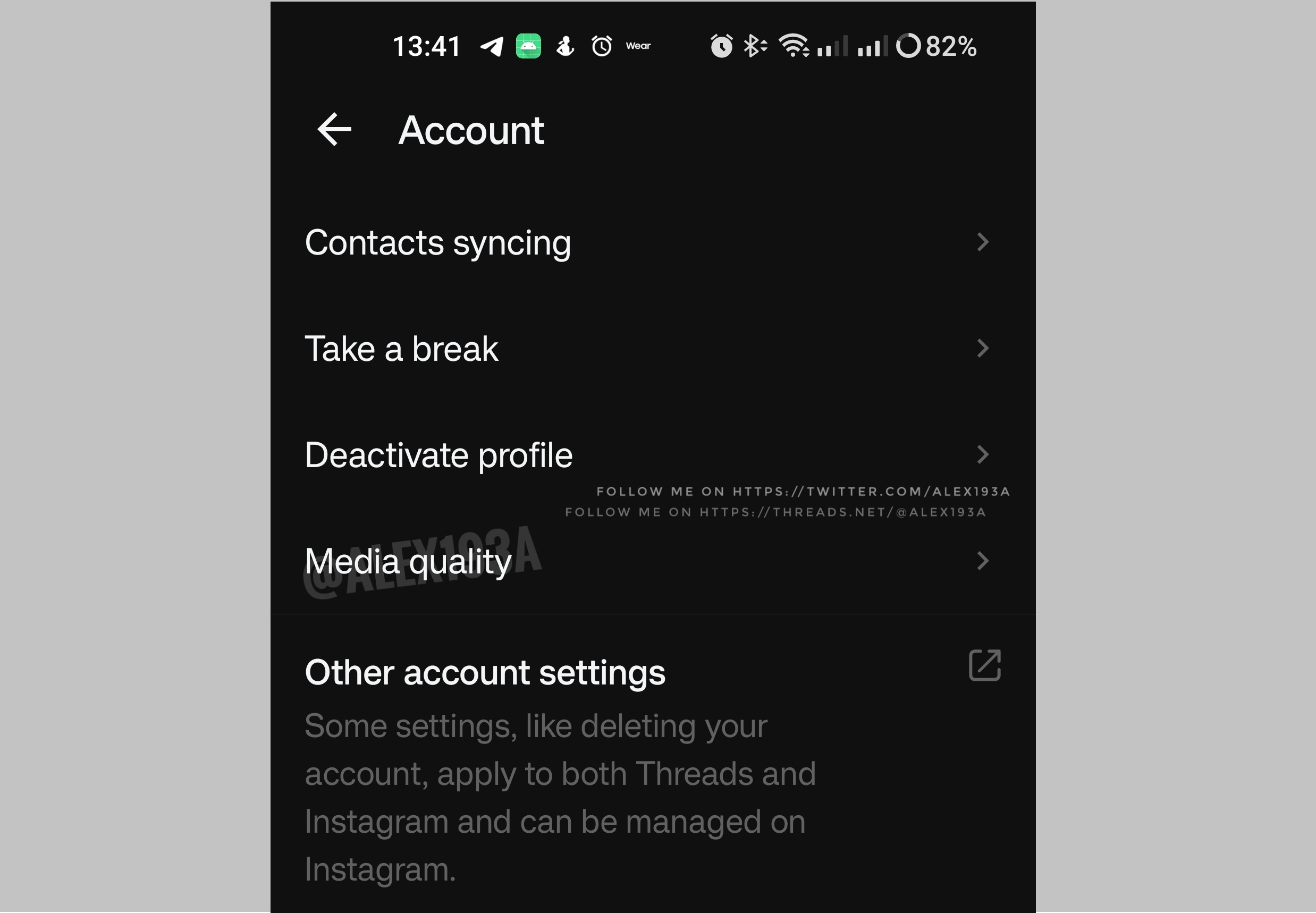
Today, thanks to social media expert Alessandro Paluzzi, we’re hearing about another change regarding how the tech giant is paving the way for better media quality settings for Threads.
This means saying hello to putting out media posts with top-of-the-range quality and not worrying about it getting distorted when viewers take a look. While we don’t think this was a very much anticipated feature, it’s better than nothing and we hope people appreciate the rollout as much as Meta does.
Next up, Alessandro was also able to note down on his Twitter account how Meta is also working toward enhancing its Instagram platform after many complained about a lack of translation services available.
The latest on this front seems to be related to the app rolling out a new feature that entails the translation of whole broadcast channels. Users can avail of this feature by heading over to channel controls and clicking on translate an entire channel. So all messages in the future would be auto-translated.
Both of these offerings are going to be up for grabs soon but when is a question that even we’re not sure about as the firm is yet to speak in detail about the rollout.
Read next: 60 Percent of Parents Say They Use Their Smartphones More Than Their Kids
by Dr. Hura Anwar via Digital Information World
But it did not take long for many people to realize that Threads’ start may have been explosive but users needed more than just that to continue lingering on the platform.
Hence, desperate times call for desperate measures, and to ensure more people stop leaving the platform, the company has rolled out a series of new features that we’ve been witness to over the past few days.
Today, thanks to social media expert Alessandro Paluzzi, we’re hearing about another change regarding how the tech giant is paving the way for better media quality settings for Threads.
This means saying hello to putting out media posts with top-of-the-range quality and not worrying about it getting distorted when viewers take a look. While we don’t think this was a very much anticipated feature, it’s better than nothing and we hope people appreciate the rollout as much as Meta does.
Next up, Alessandro was also able to note down on his Twitter account how Meta is also working toward enhancing its Instagram platform after many complained about a lack of translation services available.
The latest on this front seems to be related to the app rolling out a new feature that entails the translation of whole broadcast channels. Users can avail of this feature by heading over to channel controls and clicking on translate an entire channel. So all messages in the future would be auto-translated.
Both of these offerings are going to be up for grabs soon but when is a question that even we’re not sure about as the firm is yet to speak in detail about the rollout.
Read next: 60 Percent of Parents Say They Use Their Smartphones More Than Their Kids
by Dr. Hura Anwar via Digital Information World
Top 10 List Of Countries That Publish The Most Mobile Games
Mobile games have grown so much in terms of popularity over the years that it’s hard not to mention how much this industry has grown in such a short span of time.
Be it the Google Play Store or Apple App Store, you’ll find all sorts of games taking center stage and also receiving some great responses too from mobile users. But did you ever wonder which countries lead the pack in terms of mobile game publishing?
If the answer is no, well, we’ve got the leading statistics for you, thanks to data from App Intelligence. Furthermore, if you’re guess is the US then remember it’s just one of the many. Hence, let’s count down the top ten game publishers in descending order.
For starters, the figure for online games on the app stores has crossed the 746,000 mark. Moreover, 70% of them can be found on the Google Play Store while the rest can be downloaded from Apple’s leading App Store.
The huge difference is linked to Apple’s stringent review process that immediately rejects any game that fails to fall into its stringent checklist of authentic apps. This means saying goodbye to clones and those emitting that low-quality vibe that Google may not pay attention to as much.
Top publishers from the US are at the top of the list, accounting for a massive 33% of the majority of games in these places. For now, it’s not just the US that is taking the lead but it’s also the sole nation who has a share arising in double digits.
In second place, it’s no surprise that China is taking the lead with its 5% share. Today, the majority of mobile games that are coming out are owned by Chinese firms and they also similarly target their own market, over anyone else. However, that does not mean their global appeal can be ignored because it’s still there.
To complete the top five roundup, we’ve got countries like Japan, Germany, as well as Russia who publish the most games on the mobile app stores. As a whole, these top nations make up 48% of the games coming out of both app stores.
In case you happen to be curious as to how quickly these games get published, well, let’s shed some light on just that.
Last month, we saw both app stores welcoming a whopping 17,000 of new games which happens to be the biggest figure for new releases coming out each month in 2023.
Around 4500 of the games arose from makers in the US while the rest arise from other global publishers where Germany took the lead. It managed to roll out a massive 440 games.
For a while now, previous trends regarding viral success proved how apps were leading the pack and games were far behind. Now, however, the opposite stands true and while apps may still be in the lead, the way mobile games are getting fame and success cannot be denied.
Read next: AI: The Future of Hacking and How to Stay One Step Ahead!
by Dr. Hura Anwar via Digital Information World
Be it the Google Play Store or Apple App Store, you’ll find all sorts of games taking center stage and also receiving some great responses too from mobile users. But did you ever wonder which countries lead the pack in terms of mobile game publishing?
If the answer is no, well, we’ve got the leading statistics for you, thanks to data from App Intelligence. Furthermore, if you’re guess is the US then remember it’s just one of the many. Hence, let’s count down the top ten game publishers in descending order.
For starters, the figure for online games on the app stores has crossed the 746,000 mark. Moreover, 70% of them can be found on the Google Play Store while the rest can be downloaded from Apple’s leading App Store.
The huge difference is linked to Apple’s stringent review process that immediately rejects any game that fails to fall into its stringent checklist of authentic apps. This means saying goodbye to clones and those emitting that low-quality vibe that Google may not pay attention to as much.
Top publishers from the US are at the top of the list, accounting for a massive 33% of the majority of games in these places. For now, it’s not just the US that is taking the lead but it’s also the sole nation who has a share arising in double digits.
In second place, it’s no surprise that China is taking the lead with its 5% share. Today, the majority of mobile games that are coming out are owned by Chinese firms and they also similarly target their own market, over anyone else. However, that does not mean their global appeal can be ignored because it’s still there.
To complete the top five roundup, we’ve got countries like Japan, Germany, as well as Russia who publish the most games on the mobile app stores. As a whole, these top nations make up 48% of the games coming out of both app stores.
In case you happen to be curious as to how quickly these games get published, well, let’s shed some light on just that.
Last month, we saw both app stores welcoming a whopping 17,000 of new games which happens to be the biggest figure for new releases coming out each month in 2023.
Around 4500 of the games arose from makers in the US while the rest arise from other global publishers where Germany took the lead. It managed to roll out a massive 440 games.
For a while now, previous trends regarding viral success proved how apps were leading the pack and games were far behind. Now, however, the opposite stands true and while apps may still be in the lead, the way mobile games are getting fame and success cannot be denied.
Read next: AI: The Future of Hacking and How to Stay One Step Ahead!
by Dr. Hura Anwar via Digital Information World
OCR Malware: The Cryptocurrency Heist from Image Secrets
Get your popcorn ready, little investigators, for an exciting Android adventure is about to begin! Consider this: two new Android malware families called 'CherryBlos' and 'FakeTrade' are rampaging through Google Play, attempting to steal Bitcoin credentials and commit fraud. It's like the final battle between bad hackers and virtual wallet guards!
The digital defenders, Trend Micro, detected both malware gangs lurking on the same dark network infrastructure. What a wicked tag team! From social media ploys to misleading shopping applications, these bad men utilize creative techniques to spread their digital evil. It's a storyline straight out of an espionage film but with cell phones and Bitcoin at risk!
CherryBlos, the cunning Bitcoin thief, comes first. It uses Accessibility service rights to retrieve secret files from the malicious C2 server while preventing users from removing the trojanized program. There's no way out, no way out - it's like Batman is stuck in the Joker's fiendish maze!
But wait, there's more to this cryptocurrency heist! CherryBlos employs deceptive user interfaces to deceive people into disclosing their holy passwords. It's similar to a magician's illusion; only the virtual money vanishes into thin air! The true show-stopper is CherryBlos' OCR capability, a high-tech optical character recognition tool capable of decoding recovery words from images. It's like combining James Bond's gadgetry with Harry Potter's magical charms!
Imagine this: brave crypto users jotting down their precious recovery phrases on their devices. Oh, the audacity! While it's like putting treasure maps in a dragon's lair, some people can't stop themselves from photographing their crypto secrets. But don't worry, our smart adversary CherryBlos will be able to extract those sentences and grab the wealth! It's like something out of "Ocean's Eleven"!
But wait, it gets much more sinister! CherryBlos takes over the Binance app's clipboard, switching crypto recipient addresses with the attacker's, keeping the user in the dark. It's like a Houdini-worthy sleight-of-hand trick!
And just when you thought the spectacle was finished, the FakeTrade campaign, CherryBlos' deceiving cousin, comes. It has 31 fraud applications under its belt and preys on unsuspecting consumers by promising virtual incentives. Think of it as a virtual carnival with rigged games and no escape for the players!
Google, our hero, comes to the rescue, deleting the evil applications from Google Play. Hooray! However, the harm may have already been done, and infected devices may require thorough remediation. It's almost like a digital exorcism to drive away malicious spirits!
So, beware of the digital battlefield, where OCR software hides in the shadows and crypto criminals scheme their heists. Keep your virtual wallets secure, and remember that in this ever-changing cyber world, it's important to keep one step ahead! Stay watchful till next time, and may the force of strong passwords and security habits be with you!
Read next: The Alarming State of Email Security Worldwide
by Rubah Usman via Digital Information World
The digital defenders, Trend Micro, detected both malware gangs lurking on the same dark network infrastructure. What a wicked tag team! From social media ploys to misleading shopping applications, these bad men utilize creative techniques to spread their digital evil. It's a storyline straight out of an espionage film but with cell phones and Bitcoin at risk!
CherryBlos, the cunning Bitcoin thief, comes first. It uses Accessibility service rights to retrieve secret files from the malicious C2 server while preventing users from removing the trojanized program. There's no way out, no way out - it's like Batman is stuck in the Joker's fiendish maze!
But wait, there's more to this cryptocurrency heist! CherryBlos employs deceptive user interfaces to deceive people into disclosing their holy passwords. It's similar to a magician's illusion; only the virtual money vanishes into thin air! The true show-stopper is CherryBlos' OCR capability, a high-tech optical character recognition tool capable of decoding recovery words from images. It's like combining James Bond's gadgetry with Harry Potter's magical charms!
Imagine this: brave crypto users jotting down their precious recovery phrases on their devices. Oh, the audacity! While it's like putting treasure maps in a dragon's lair, some people can't stop themselves from photographing their crypto secrets. But don't worry, our smart adversary CherryBlos will be able to extract those sentences and grab the wealth! It's like something out of "Ocean's Eleven"!
But wait, it gets much more sinister! CherryBlos takes over the Binance app's clipboard, switching crypto recipient addresses with the attacker's, keeping the user in the dark. It's like a Houdini-worthy sleight-of-hand trick!
And just when you thought the spectacle was finished, the FakeTrade campaign, CherryBlos' deceiving cousin, comes. It has 31 fraud applications under its belt and preys on unsuspecting consumers by promising virtual incentives. Think of it as a virtual carnival with rigged games and no escape for the players!
Google, our hero, comes to the rescue, deleting the evil applications from Google Play. Hooray! However, the harm may have already been done, and infected devices may require thorough remediation. It's almost like a digital exorcism to drive away malicious spirits!
So, beware of the digital battlefield, where OCR software hides in the shadows and crypto criminals scheme their heists. Keep your virtual wallets secure, and remember that in this ever-changing cyber world, it's important to keep one step ahead! Stay watchful till next time, and may the force of strong passwords and security habits be with you!
Read next: The Alarming State of Email Security Worldwide
by Rubah Usman via Digital Information World
Instagram's AI Extravaganza: Stickers, Chatbots, and Magic Galore!
Hold on to your selfie sticks because Instagram is on a wild voyage into the realm of artificial intelligence! Yes, you read it correctly: Mark Zuckerberg vowed to sprinkle some magical AI dust on every nook and crevice of our beloved Instagram. But what exactly does that mean?
Let's start with stickers. No, not the usual lovely emoticons you plaster on your tales! We're referring to stickers that generate customized visuals based on your entry. Consider typing "unicorn party", and then, bang! A glittery unicorn sticker emerges, adding to the epicness of your postings!
But wait, there's more! Instagram has something special in store for individuals who enjoy editing their images. Say goodbye to blurry images and weird backdrop shots. With Instagram's new "AI brush" and "Restyle," you can alter components in your photos like an expert. Do you want a beachy backdrop? Simply write it in, and the AI genie will fulfil your request! You could even use AI to replace your grumpy expression with a smile.
Oh, and hold your phones because there's more! Instagram is developing a brand-new AI chatbot. Instead of Googling it, just ask your new virtual pal @ai in your DMs. Are you hungry? Inquire about dinner recommendations. Do you need to resolve an argument? It's time for some trivia! Just don't ask who would win if Hulk and Thor fought - we don't need any more internet wars!
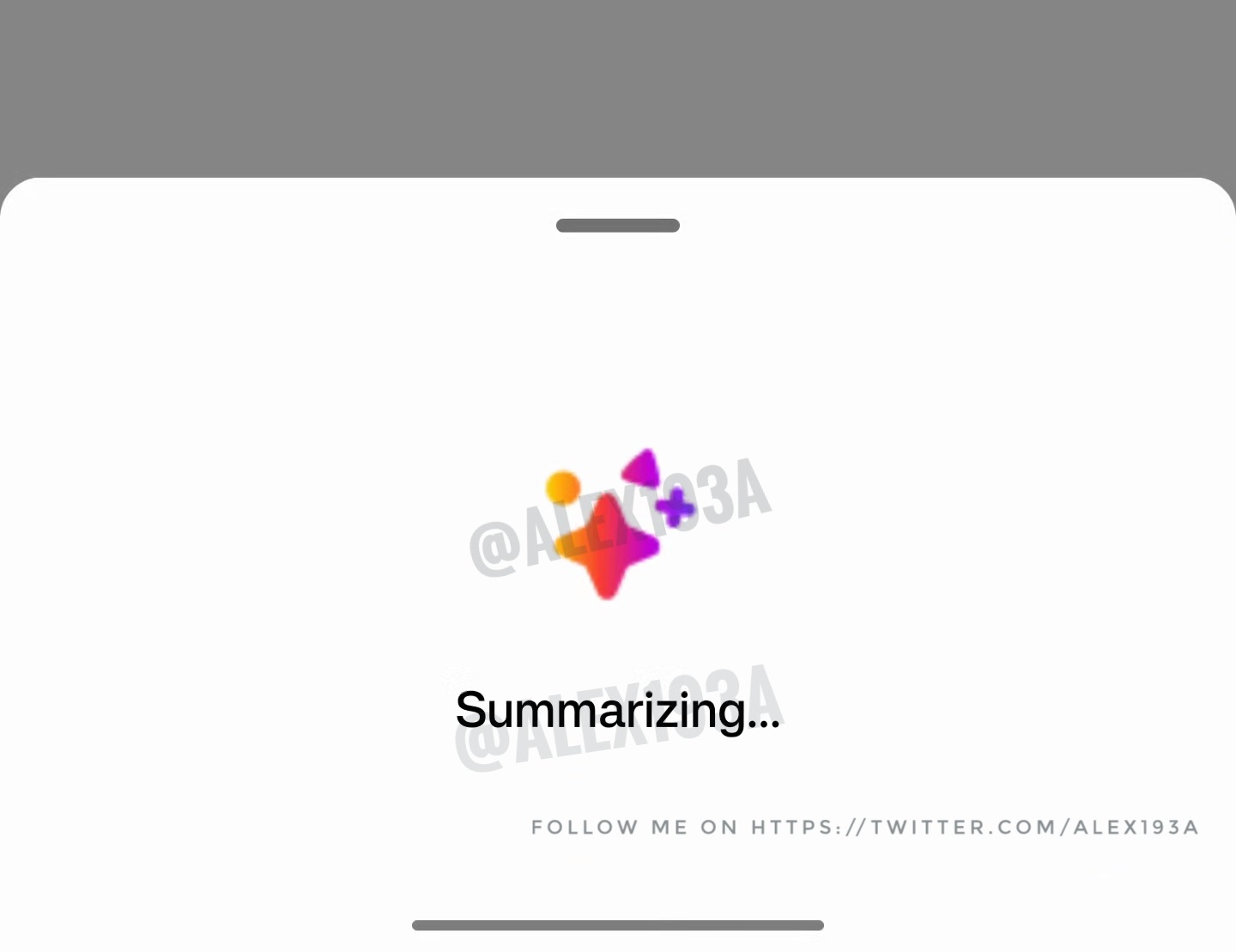
And wait for it, drum roll, please! Instagram is releasing a message summary feature driven by AI. Are you sick of lengthy DMs? This handy tool will summarize everything. Isn't that brilliant? But be cautious; you can overlook crucial information. After all, relying on AI to grasp everything is a bit hazardous. Imagine it recommending pizza when you were invited to a friend's wedding!
Let us now discuss transparency. In this digital age, we all appreciate a little honesty. Instagram is on our side, with new labels proclaiming, "Hey, this image was created by AI!" But, let's be honest, some cunning individuals may try to deceive us with their AI creations. They'll act like Loki from "Avengers" and attempt to outsmart everyone!
Okay, confession time. Some say these new AI tools might Not be quite mind-blowing. It's like expecting Thor to deliver a thunderbolt and instead receiving a small spark. But don't despair; we're only at the start of our AI adventure! Artists will soon be able to use this magical wand to produce extraordinary paintings. Let's hope it doesn't turn everything into a robot dance party!
Excited already? So, when will all of this AI craziness make its way to your Instagram feed? We don't have a specific date yet, but keep a look out! AI is cunning; it may catch us off guard sooner than we anticipate. Brace yourselves, fellow grammes, for the chatbots are on their way, equipped with stickers and summary powers! It's a wild new world, and we're ready to welcome Instagram's AI-tastic future!
Read next: The Findings of a Research Establish A Connection Correlated Women’s Visual Habits on Instagram and Their Body Image
by Rubah Usman via Digital Information World
Let's start with stickers. No, not the usual lovely emoticons you plaster on your tales! We're referring to stickers that generate customized visuals based on your entry. Consider typing "unicorn party", and then, bang! A glittery unicorn sticker emerges, adding to the epicness of your postings!
But wait, there's more! Instagram has something special in store for individuals who enjoy editing their images. Say goodbye to blurry images and weird backdrop shots. With Instagram's new "AI brush" and "Restyle," you can alter components in your photos like an expert. Do you want a beachy backdrop? Simply write it in, and the AI genie will fulfil your request! You could even use AI to replace your grumpy expression with a smile.
Oh, and hold your phones because there's more! Instagram is developing a brand-new AI chatbot. Instead of Googling it, just ask your new virtual pal @ai in your DMs. Are you hungry? Inquire about dinner recommendations. Do you need to resolve an argument? It's time for some trivia! Just don't ask who would win if Hulk and Thor fought - we don't need any more internet wars!
And wait for it, drum roll, please! Instagram is releasing a message summary feature driven by AI. Are you sick of lengthy DMs? This handy tool will summarize everything. Isn't that brilliant? But be cautious; you can overlook crucial information. After all, relying on AI to grasp everything is a bit hazardous. Imagine it recommending pizza when you were invited to a friend's wedding!
Let us now discuss transparency. In this digital age, we all appreciate a little honesty. Instagram is on our side, with new labels proclaiming, "Hey, this image was created by AI!" But, let's be honest, some cunning individuals may try to deceive us with their AI creations. They'll act like Loki from "Avengers" and attempt to outsmart everyone!
#Instagram is working to label the contents created or modified by #AI in order to be identified more easily 👀 pic.twitter.com/bHvvYuDpQr
— Alessandro Paluzzi (@alex193a) July 30, 2023
Okay, confession time. Some say these new AI tools might Not be quite mind-blowing. It's like expecting Thor to deliver a thunderbolt and instead receiving a small spark. But don't despair; we're only at the start of our AI adventure! Artists will soon be able to use this magical wand to produce extraordinary paintings. Let's hope it doesn't turn everything into a robot dance party!
Excited already? So, when will all of this AI craziness make its way to your Instagram feed? We don't have a specific date yet, but keep a look out! AI is cunning; it may catch us off guard sooner than we anticipate. Brace yourselves, fellow grammes, for the chatbots are on their way, equipped with stickers and summary powers! It's a wild new world, and we're ready to welcome Instagram's AI-tastic future!
Read next: The Findings of a Research Establish A Connection Correlated Women’s Visual Habits on Instagram and Their Body Image
by Rubah Usman via Digital Information World
Facebook Malware Mayhem: Beware of Sneaky Impostors!
Facebook has become a playground for malicious virus distributors in a world where hackers wander freely in the digital environment. Consider the following scenario: the infamous villains, Ducktail and NodeStealer, breaking the Facebook ad system with a devious scheme to serve malware to unsuspecting users. It's like something out of an exciting cyberpunk film!
According to Meta's most recent security assessment, these cybercriminals employ devious strategies. They hack official Facebook sites and give them a stylish makeover, posing as reputable firms such as Facebook or Google AI. Consider your beloved tech titans becoming imposters! It's like Superman attempting to blend in at a high school reunion while sporting a phoney mustache. Who would have guessed?
These rebranded pages have those tiny blue checkmarks that trick users into thinking they are legitimate. What's more, guess what? They promote advertisements with deceptive links that lead to malware downloads. It's a virtual Trojan horse invasion, only instead of a wooden horse, it's a gleaming, phoney commercial.
Don't worry, daring internet surfers! Meta claims to be combating malware tricks with "rapid adversarial adaptation." It sounds like an epic battle between good and evil, with AI warriors battling it in a virtual arena.
But wait, there's more! According to a Group-IB analysis, over 3,200 Facebook pages and identities were hijacked to masquerade as tech firms using keywords like AI, ChatGPT, and Bard. It's like an army of digital impostors trying to infiltrate the kingdom of the internet!
But wait, there's a twist in the plot. After a brief reprieve, the hackers are back with a fury, this time utilizing non-verified Facebook sites. It's as though the criminals changed their disguises and returned triumphantly. To make matters worse, they've managed to imitate Google! Oh no! Not Google!
These deceptive advertisements contain links to malware disguised in a 4.26 MB RAR package. That's like a little but deadly digital ninja waiting to pounce on your helpless gadget. Fortunately, Chrome saves the day by identifying and blocking the spyware like a guardian angel. However, Windows Defender did not live up to its name and failed to detect the threat. Oops!
Fortunately, Facebook has stepped in to help with a new tool dubbed "Page transparency." It's like an X-ray vision for pages, showing the history of name changes and country of origin. Like Sherlock Holmes deducing the truth from clues, you can now sniff out the sneaky impostors!
Stay alert to avoid falling prey to these digital con artists! Even if a page appears trustworthy, look at its history in the "About" section. It's the equivalent of reading someone's internet journal to check if they're speaking the truth. If you want to be extra careful, just append "/about" to the URL of any Facebook corporate page in the address bar. Voila!
So, there you have it, a thrilling tale of hackers, malware, and impostors in the wild world of Facebook. Stay alert, my readers, since the online jungle is full of surprises. Keep your virtual blades sharp, and be wary of flashy adverts that promise too much! Best wishes, and may the cyber force be with you!
Read next: 60% of Malicious IPs Are Scanning for Potential Weaknesses, But Just 5% Use VPNs
by Rubah Usman via Digital Information World
According to Meta's most recent security assessment, these cybercriminals employ devious strategies. They hack official Facebook sites and give them a stylish makeover, posing as reputable firms such as Facebook or Google AI. Consider your beloved tech titans becoming imposters! It's like Superman attempting to blend in at a high school reunion while sporting a phoney mustache. Who would have guessed?
These rebranded pages have those tiny blue checkmarks that trick users into thinking they are legitimate. What's more, guess what? They promote advertisements with deceptive links that lead to malware downloads. It's a virtual Trojan horse invasion, only instead of a wooden horse, it's a gleaming, phoney commercial.
Don't worry, daring internet surfers! Meta claims to be combating malware tricks with "rapid adversarial adaptation." It sounds like an epic battle between good and evil, with AI warriors battling it in a virtual arena.
But wait, there's more! According to a Group-IB analysis, over 3,200 Facebook pages and identities were hijacked to masquerade as tech firms using keywords like AI, ChatGPT, and Bard. It's like an army of digital impostors trying to infiltrate the kingdom of the internet!
But wait, there's a twist in the plot. After a brief reprieve, the hackers are back with a fury, this time utilizing non-verified Facebook sites. It's as though the criminals changed their disguises and returned triumphantly. To make matters worse, they've managed to imitate Google! Oh no! Not Google!
These deceptive advertisements contain links to malware disguised in a 4.26 MB RAR package. That's like a little but deadly digital ninja waiting to pounce on your helpless gadget. Fortunately, Chrome saves the day by identifying and blocking the spyware like a guardian angel. However, Windows Defender did not live up to its name and failed to detect the threat. Oops!
Fortunately, Facebook has stepped in to help with a new tool dubbed "Page transparency." It's like an X-ray vision for pages, showing the history of name changes and country of origin. Like Sherlock Holmes deducing the truth from clues, you can now sniff out the sneaky impostors!
Stay alert to avoid falling prey to these digital con artists! Even if a page appears trustworthy, look at its history in the "About" section. It's the equivalent of reading someone's internet journal to check if they're speaking the truth. If you want to be extra careful, just append "/about" to the URL of any Facebook corporate page in the address bar. Voila!
So, there you have it, a thrilling tale of hackers, malware, and impostors in the wild world of Facebook. Stay alert, my readers, since the online jungle is full of surprises. Keep your virtual blades sharp, and be wary of flashy adverts that promise too much! Best wishes, and may the cyber force be with you!
Read next: 60% of Malicious IPs Are Scanning for Potential Weaknesses, But Just 5% Use VPNs
by Rubah Usman via Digital Information World
Subscribe to:
Posts (Atom)