Saturday, January 21, 2023

Fake Chat GPT Apps Are Commonplace on App Stores, and Google and Apple Might Be To Blame

We have often seen fraudulent or harmful apps making their way to the Play Store and App Store. This highlights a real problem with the moderation policies that companies like Google and Apple use to determine which apps are able to gain access to their marketplaces and platforms. The latest examples of such apps are trying to mimic Chat GPT.

It makes sense that malicious actors would want to copy Chat GPT because of the fact that this is the sort of thing that could potentially end up leveraging the enormous coverage the AI chatbot has received. The thing is, if a user were to download one of the fake apps, they would not actually get access to the real chatbot.

Rather, malicious actors seem to just be using the famous name to get people to download their apps. The apps might feature chatbots, but they won’t be as sophisticated as Chat GPT and to make matters worse they would contain a large volume of ads that would make the user experience less optimal than might have been the case otherwise.

With all of that having been said and now out of the way, it is important to note that Google and Apple are not really playing their part in protecting consumers. Apple has removed just 4 of the 49 apps that have been reported to be copying Chat GPT and using its name in the app title.

Meanwhile, Google has removed a couple dozen such apps, but that was only after they’d already been installed upwards of 138,000 times with all things having been considered and taken into account. That means that the damage will likely already have been done.

Google and Apple need to take a stand against fake and dubious apps that are making their way to the App Store and Google Play Store. If they fail to take the right measures, users might start to lose their trust in the company. It would be difficult for users to download apps if they can’t be sure that they are legitimate.


H/T: BusinessOfApps

Read next: Responsible use of technology is a developing concern for companies
by Zia Muhammad via Digital Information World

Uncovering the Dark Side of Amazon Alexa: How Intelligent Speakers Jeopardize Your Privacy

Amazon Alexa smart speakers have come under fire from cyber security researchers, who claim that the devices pose a significant threat to privacy.

The researchers over at VPNOverview (Via CyberNews) argue that the always-on listening feature of these speakers, combined with the vast amount of data that Amazon collects on users, makes them a prime target for hackers and other malicious actors.

One major concern is that the data collected by Amazon through Alexa can be used to build detailed profiles of users, including information about their habits, preferences, and even their physical location. This data can then be sold to third parties or used for targeted advertising. Additionally, hackers may be able to gain access to this data through security breaches, putting users at risk of identity theft and other forms of cybercrime.

Another concern is that the always-on listening feature of Alexa can be used to record conversations and other audio without the user's knowledge or consent. This could include sensitive information such as financial details, personal relationships, and other private matters. While Amazon claims that the speaker only begins recording when it hears the "wake word" (such as "Alexa"), there have been reports of the device activating and recording without the user's command, raising concerns about the security of the device.

To address these concerns, cyber watchdog groups have called for Amazon to be more transparent about the data it collects and how it is used, as well as to provide stronger security measures to protect user data. They have also called for regulations to be put in place to ensure that companies like Amazon are held accountable for protecting user data.

Another issue with Amazon Alexa smart speakers is the lack of control users have over the third-party skills that can be added to the device. These skills, which are similar to apps on a smartphone, can access user data and perform actions on the device without the user's knowledge or consent. This can lead to privacy breaches and security vulnerabilities.

In response to these privacy concerns, some experts recommend disabling the microphone on the device when not in use or even unplugging the device altogether. Others suggest using a virtual private network (VPN) to encrypt internet connections, which can help protect against hacking and surveillance. However, it is important to note that these solutions may not eliminate the privacy risks associated with Amazon Alexa smart speakers.

Amazon has taken some steps to address these concerns, such as allowing users to delete their voice recordings and providing more information about the data it collects. However, many experts believe that more needs to be done to ensure that these devices are not a threat to privacy.

It is important for users to be aware of these privacy risks and to take steps to protect their data, such as by adjusting the settings on their Alexa device and being cautious about the types of information they share with the device. Users should also be vigilant about monitoring their accounts for suspicious activity and taking action if they suspect that their data has been compromised.

It is important to remember that while smart speakers like Amazon Alexa can be convenient and make our lives easier, they also come with a certain level of risk. It is crucial for users to be aware of these risks and to take steps to protect their privacy. Additionally, companies like Amazon need to be held accountable for the security of user data and for providing transparency about their data collection practices.

In conclusion, Amazon Alexa smart speakers, although very convenient and helpful, pose a serious threat to privacy. Cyber watchdog groups are raising alarm about the amount of data that Amazon collects on users and the always-on listening feature of these speakers, which can be used to record conversations and other audio without the user's knowledge or consent. It is imperative that Amazon takes more steps to ensure the security of user data and that users take steps to protect their data.

This article discusses concerns about privacy when using Amazon's Alexa voice assistant. It notes that while Alexa is designed to make our lives easier, it also collects a lot of data on its users, including recordings of their voice commands. Researchers raises questions about how Amazon uses this data and how it is protected. Learn, some steps users can take to protect their privacy when using Alexa, such as reviewing the privacy settings and disabling certain features.

Read next: Wi-Fi routers can pinpoint the exact location of people in a room
by Arooj Ahmed via Digital Information World

Responsible use of technology is a developing concern for companies

According to one of the latest research studies from MIT, using technology responsibly is an important factor for companies. Using biddable data could become an important part of firms ensuring that the technology is being used properly.

MIT carried out its research in association with Thoughtworks, a publicly owned software house. The study was based on data collected from different corporations. Out of all the companies that participated in this poll, a large majority of them agreed that "in the future, responsible technology considerations will eventually come to equal business or financial considerations in importance when organizations make decisions about technology adoption and use", 30% strongly, while 43% somewhat agree with this statement.


To give a better insight into what companies had in mind while supporting the statement, the research shared an example of areas that are believed to receive benefits from this. These areas include improvised client dealing, presenting brands more appealingly, dealing with and preventing risks to businesses, and giving stability to the business.

Though numerous areas will receive health benefits from the technology, prioritizing them is not an easy thing to do. Currently, when it comes to moving forward with the use of technology in business methods, companies use it to maintain regulation, combine technology with the information technology department, set up goals and targets for the company, and ensure an improved customer care system.

However, the size of a business is also important. Businesses generating somewhere between five hundred million dollars to ten billion dollars will be looking to deal with return on investment as their top priority, followed by security for the whole setup, whereas large-scale businesses with revenues over ten billion dollars will be less concerned with these two areas.

Not just the size, but targets also matter. Companies providing financial services will be looking to ensure the efficient delivery of promised services, whereas those linked to the public sector are less likely to work on efficiency and more likely to focus on security and sustainability.

The whole survey was based on responses from over five hundred and fifty senior directors, belonging to nine different regions, including the US, UK, Germany, Australia, and others.

Read next: Is the Gig Economy Creating New Cybersecurity Problems?
by Arooj Ahmed via Digital Information World

Friday, January 20, 2023

Social Media Safety at an All-Time Low: Can Platforms Change the Trend?

Social media protection has hit a new low in general perception, with a growing number of users worried about the potential dangers of using platforms such as Facebook, Twitter, and Instagram.

With data breaches, misinformation, and harassment becoming increasingly common, many are questioning whether social media companies can reverse this trend and regain the trust of their users.

One of the main concerns for users is data privacy. The Cambridge Analytica scandal, in which the data of millions of Facebook users was harvested without their consent, has led to a growing mistrust of social media companies and their handling of personal data. In addition, the recent data breaches at major companies such as Marriott and Capital One have only served to further erode public confidence in the security of online platforms.

Misinformation is also a major concern for many users. The proliferation of fake news and propaganda on social media has led to a growing sense of confusion and distrust among users. This is particularly problematic in the context of political elections, where false information can have a significant impact on the outcome. Social media companies have come under fire for not doing enough to combat misinformation, and many are calling for stricter regulations and greater accountability.

Harassment and hate speech are also major issues on social media, with many users reporting feeling unsafe or unwelcome on the platforms. This is particularly true for marginalized groups, who are often targeted by trolls and bullies. Social media companies have been criticized for not doing enough to address these issues, and many are calling for stricter policies and greater enforcement of existing rules.

As per Insider report, the users are most safe while using Pinterest with around 41% of positive respondents. Meanwhile, LinkedIn, Snapchat, and Instagram followed behind, with 40%, 39%, and 36% of positive respondents respectively. Facebook is the least secure app according to the users, with around 26% of people feeling safe while browsing Facebook. The following responses were compiled in 2022 and almost all social media companies reviewed a downfall regarding security from previous years.


To change this trend, social media companies will need to take several steps. First, they will need to address the concerns of users around data privacy and security. This could involve implementing stricter regulations and guidelines, as well as investing in new technologies to better protect user data.

Second, social media companies will need to take a more proactive approach to combat misinformation and propaganda. This could involve investing in fact-checking tools and algorithms, as well as working with third-party organizations to identify and remove false information.

Third, social media companies will need to take a stronger stance against harassment and hate speech. This could involve implementing stricter policies and guidelines, as well as investing in new technologies to detect and remove offensive content.

While it is clear that social media companies have a lot of work to do to regain the trust of their users, it is also important to note that the problem is not solely with them. Users also have a role to play in their safety on social media. They should be more aware of the information they share; they should be more vigilant in checking the authenticity of the information they consume and they should be more careful in interacting with strangers.

In conclusion, social media safety has hit a new low from the public point of view, with a growing number of users concerned about the likely dangers of using platforms. Social media companies can reverse this trend by addressing concerns around data privacy and security, taking a more proactive approach to combat misinformation and propaganda, and taking a stronger stance against harassment and hate speech. But it is also the responsibility of the users to be more vigilant in their online activities.

Read next: The US states where hackers launch the most cyberattacks and steal the most money
by Arooj Ahmed via Digital Information World

Google Exec Clarifies That Frequent Posting Isn’t Spam

The field of SEO has seen some seismic shifts as of late, with Google frequently updating its algorithm to make it so that only high quality content gets to the top of its SERP. Spam can be a truly detrimental thing to take part in as far as SEO is concerned, but in spite of the fact that this is the case it can be confusing to understand what actually counts as spam.

Many bloggers and site owners are worried that posting too frequently might be considered spam. With all of that having been said and now out of the way, it is important to note that John Mueller of Google recently clarified this and explained that that isn’t necessarily going to be the case.

The Google exec took to Twitter to explain what was going on. In the tweet thread, he mentioned that daily posting is not going to be taken as a sign of spam. Posting every single day isn’t a bad thing as long as the information that is being posted is relevant, original and above all else high in quality.

This isn’t the first time that Mueller has spoken out about posting frequency either. A few years ago, the Google exec stated that publishing frequency was not a factor that Google’s algorithm takes into consideration when ranking websites.

Hence, site owners can rejoice because of the fact that this is the sort of thing that could potentially end up making it easier for them to come with posts than might have been the case otherwise. They can post regularly if the content warrants it.

One thing is pretty clear: quality is key. High quality content will always be treated fairly, and that is a heartening sign for bloggers who were worried that they might struggle to meet Google’s demands.

A bit of clarification is always useful, and it is good to see Google trying to be more transparent with all things having been considered and taken into account. We might see more revelations like this down the line and we’ll keep our eyes peeled for them.


Read next: Google To Soon Launch A Chatbot With ‘Moral Boundaries’ As Rival Competition For ChatGPT
by Zia Muhammad via Digital Information World

In 2022, Smartphones Experienced the Lowest Global Shipment Sales in the Last 10 Years

In 2022, the Global smartphone shipment was the lowest ever in nearly the last 10 years. In Q4, global smartphone shipment dropped to 17% YoY. So, according to the overall calculations, this means that smartphone shipments dropped about 11% in 2022 as compared to 2021. These estimations were shared by Canalys which says that 2022 was the lowest sales year for all vendors and most of them are disappointed with this huge drop.

Most people are saying that this is due to the aftereffects of Covid-19 which has been making its impact on the global market since 2020. The situation was similar in 2022 as the pandemic was continuing to affect global smartphone shipment. Vendors say that before the low sales in 2022, they had to go back to 2013 to find the lowest number of sales for global smartphone shipments. In 2013, the circumstances were very different from what they were in 2022 but back then, the technology was still emerging and people were getting used to it.

For Q4 of global smartphone shipment, Apple again rose to the first spot in terms of the highest number of sales. Samsung got the second spot, but it was at the number one spot in 2022 overall.

But in 2021, the market has to experience many constraints as the shipping wasn't as easy as it is in Q4 of 2022. The global smartphone shipment did improve in terms of shipping. But the market doesn't have any high hopes that shipping will increase in 2023. The reason for this is the economic uncertainty and inflation in countries all around the world. This also means that unemployment will rise in many countries, including North America and parts of Europe. But we cannot say anything about China because it is still growing as the world's biggest smartphone market.


Read next: Digital Audio Marketing to Take Center Stage in 2023 as Social Media Trust Plummets
by Arooj Ahmed via Digital Information World
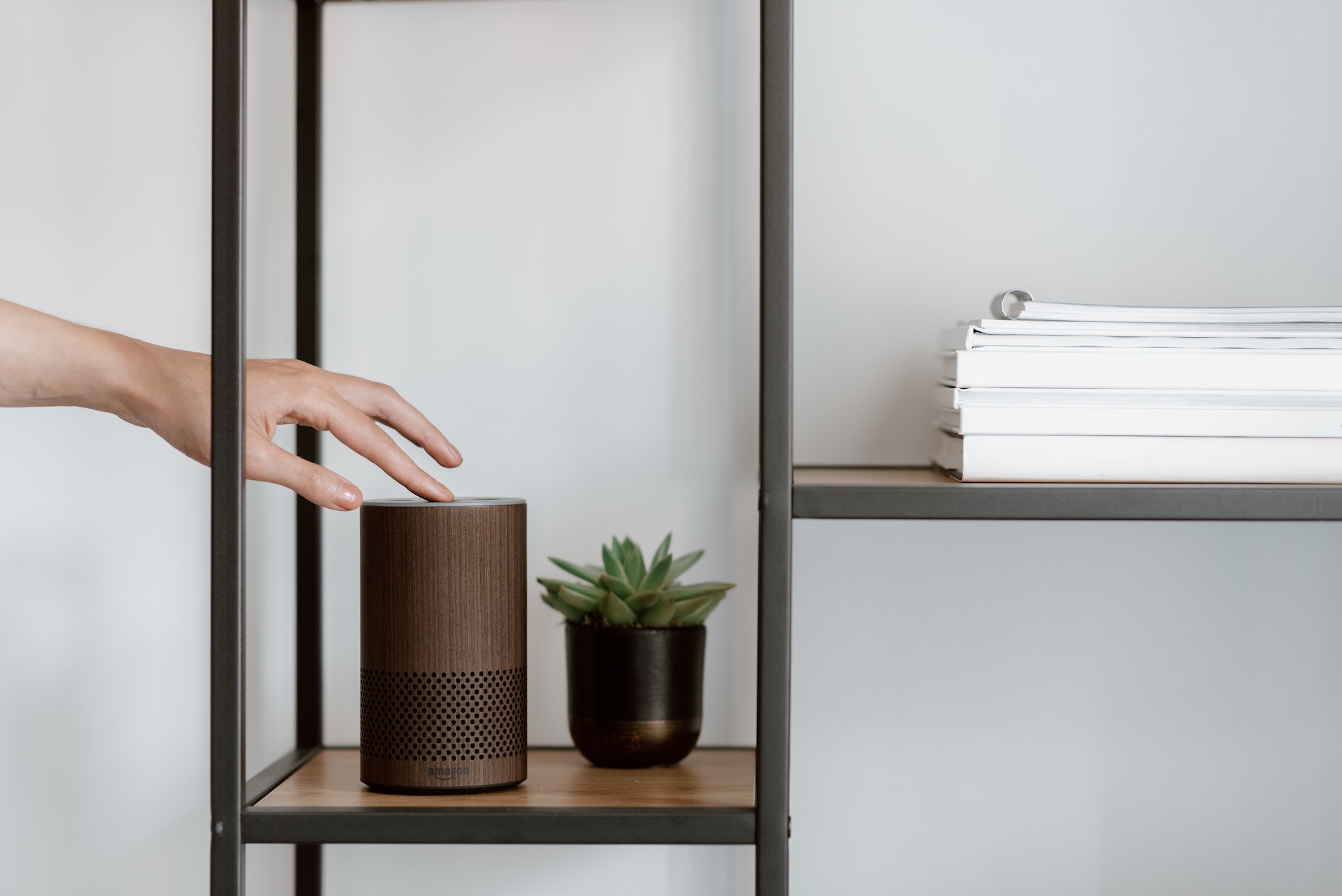
Apple Is Working On New Smart Home Projects In A Bid To Compete Against Google And Amazon

Leading iPhone maker Apple is making big plans to take over users’ homes and their money.

The company is focusing more on smart home projects and that means it’s bound to give archrivals like Google and Amazon a tough run for their money. These are big names in the industry and Apple entering the race means fierce competition to take center stage.

But the news is great for Apple fans as we’re looking at MacBook Pro laptops, HomePods, and Mac Mini.

In the past, it appeared as if Apple was done with the likes of releasing new hardware but this seems to be a rumor that’s far from reality as reports suggest it has new ambitions in this particular segment.

The news comes to us thanks to Bloomberg who claims that the firm is slowly but surely building on the likes of new product lineups that entail a wide array of speakers as well as smart home displays.

Therefore, the tech giant has been showing a lot of interest as well as aggressiveness in this particular product category. But the same goes for Google which says its Pixel Tablet would be doubling as a smart home display.

But what exactly is this tech giant working on in terms of home products? This has to do with a greater focus on smart displays that many deem to be iPads. Moreover, these appear to be features like touch controls, lights, and other related products.

The products can also handle calls through the likes of FaceTime. The smart part about this is that such goods and services can get mounted and you end up moving displays with ease. Other than that, Apple seems to be venturing into the likes of large smart home displays.

Additionally, the firm appears to be working on new versions of the Apple TV devices that would be arriving around next year.

The device has a similar design to the current model in place but would soon be upgraded internally. Some reports have gone as far as mentioning how there are integrated cameras with speakers and that appears to be undergoing an upgrade too.

While the tech giant is offering some awesome products, it really has a lot of work cut out for itself right now as it’s competing with the best of the best, which is Google and Amazon.


Read next: Data Encryption Faces Enormous Risks From Quantum Computing According to IBM
by Dr. Hura Anwar via Digital Information World